


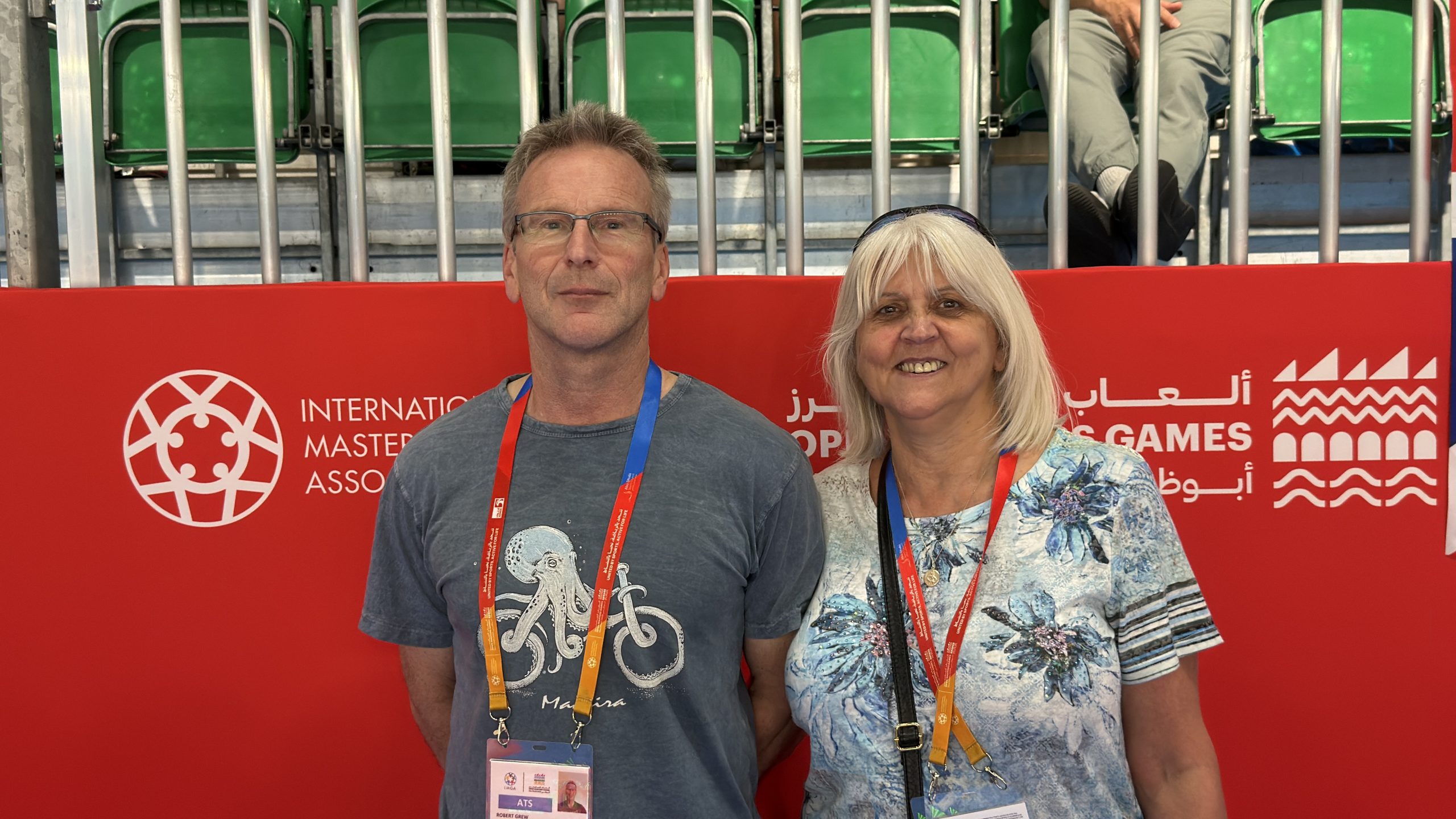
We bump into Robert Grew and Jean Thomas (UK) watching the Basketball competitions. One thing they love about the Masters games is to be able to see so many different sports. For Robert Grew, sport has never been about a single moment or medal. It has been a lifelong companion, one that has evolved, adapted, and grown stronger with time. Now competing at the Open Masters Games, Robert is a powerful example of how staying active through sport can support healthy aging, connection, and purpose well beyond youth.
Originally from the UK, Robert is competing internationally in weightlifting, returning to a discipline he first discovered at school before stepping away for many years. Like many masters athletes, his sporting journey has not been linear. Athletics remained a constant throughout his adult life, while weightlifting became part of his training rather than his main focus. Only recently did he make the decision to compete seriously again, marking his first international weightlifting competition after a year back in the sport.
What draws Robert to events like the Masters Games is not just competition, but motivation. These events provide a reason to keep training, to stay disciplined, and to look after both body and mind. They also offer something equally important: community. Meeting like-minded people from around the world creates friendships that extend far beyond the competition floor, often leading to new opportunities, shared experiences, and future travel.
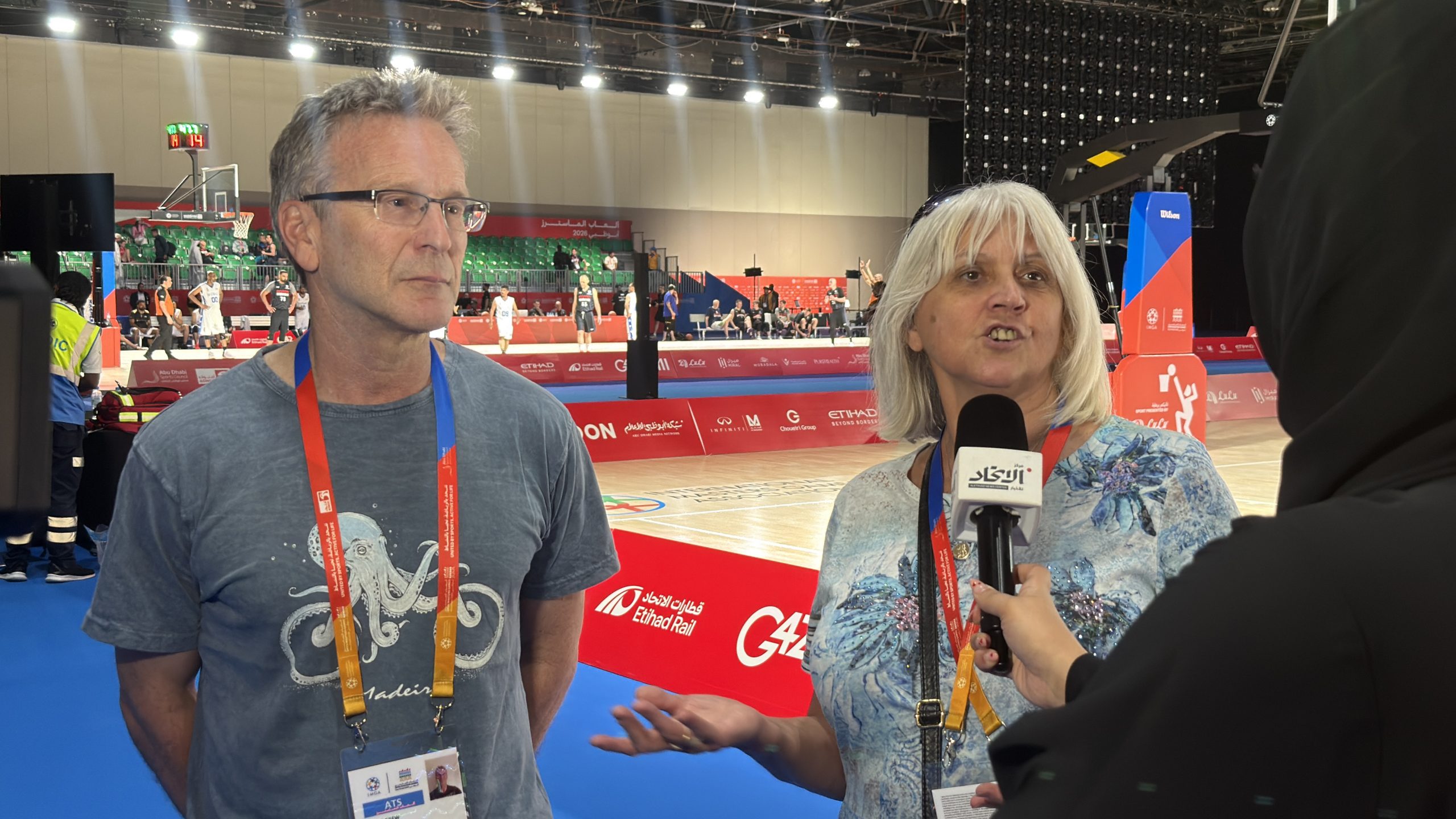
That sense of connection is central to Robert’s sporting life. He credits much of his inspiration not to one famous athlete, but to the local group of masters athletes he trains with. Together, they push one another to keep going, especially through inevitable setbacks such as injury. This shared commitment turns training into a support system, reinforcing the idea that healthy aging is not a solo journey, but a collective one.
Robert’s experience also highlights an often-overlooked truth about masters sport: athletes are balancing far more than training alone. Careers, families, and coaching responsibilities have all been part of his life. While retirement has made that balance easier in recent years, he reflects on decades of managing full-time work, raising children, coaching others, and still finding space for sport. Rather than seeing this as a limitation, he views it as proof that sport can adapt to life’s changing demands .
As a coach, Robert sees sport as a powerful teacher. Discipline, resilience, and commitment learned through training translate directly into everyday life and work. For younger people especially, sport offers lessons that extend well beyond physical health, lessons that remain valuable at every age.
Robert’s story reminds us that healthy aging is not about slowing down, but about staying engaged. It is about finding motivation, nurturing friendships, and continuing to challenge yourself in ways that are meaningful. Masters sport shows that it is never too late to return to a passion, or to discover a new one.
Through athletes like Robert, sport proves it truly can be for life.